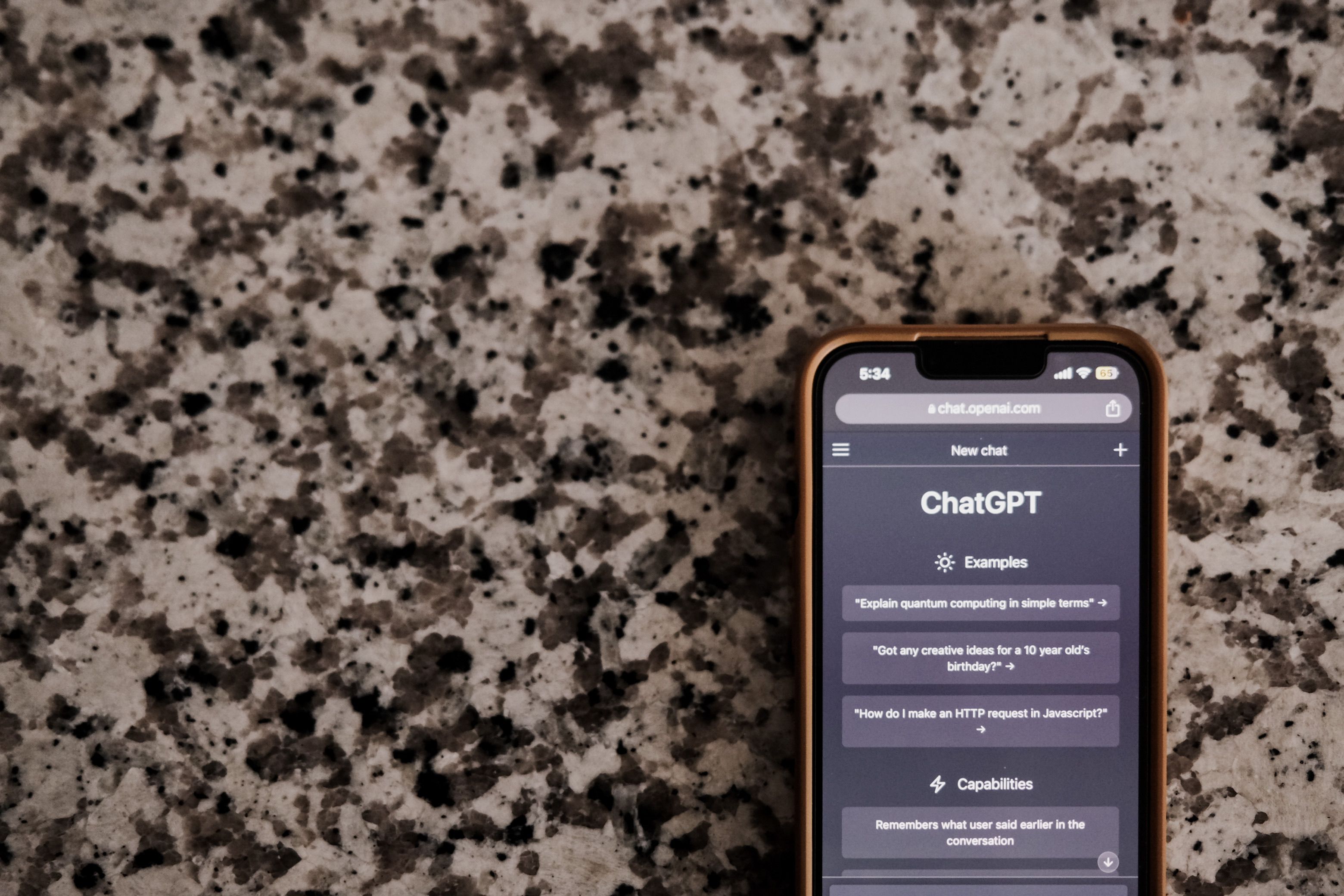

In the beginning of September 2023, Anton Osika launched GPT Engineer, and it quickly obtained 50,000 stars on GitHub. People were using it to create thousands of products every day, long before Loveable existed. Osika simply had to transfer his community to his product. Eighteen months later, the company hit $100 million in annual recurring revenue.
The Timing No One Saw
It probably comes as no surprise that the vibe-coding window shortly after LLMs such as ChatGPT exploded into the mainstream, but it wasn’t until 2024 that they were able to deploy a completed website from just one prompt from the user (typically referred to as “one-shotting” in the tech world). Osika wasn’t the only one who saw opportunity from this, as competitors such as Bolt, Base44, Replit, and v0 appeared around the same time.
Additionally, there were the traditional big names with an established community: Webflow, Bubble, Squarespace. The incumbents, however, were slow to adapt because it meant abandoning the drag-and-drop products that were making them money, and forcing its customers to start over. Osika had the advantage of building without an established customer base to confuse, while still having a technical community of supporters from the GitHub page.
Why They Got Funded
Accel, a leading venture capital firm that backed Facebook, Slack, Spotify, and Dropbox, led the $200 million Series A. They were betting on the 52,000 stars on GitHub that quickly translated to $75 Million in Annual Recurring Revenue and over 2 million users, a demonstration of demand that TAM slides could never compete with. Later, their Series B, aimed to deepen App integrations and expand reach to non-programmers, raised another $330 million led by Google’s growth fund CapitalG. Their massive $6.6 billion valuation, as a result, further demonstrated the market confidence in being able to scale software creation.
One thing that was difficult for many investors to accept initially was that Osika refused to move. When everyone told him that staying in Europe, and Stockholm, Sweden, for that matter, was limiting the growth of the company, Osika refused to back down. This turned out to be a brilliant maneuver in talent acquisition; not only did it give ambitious European engineers a chance to prove themselves at a fraction of the cost, but it also attracted Silicon Valley engineers to follow. With fewer high-paying alternatives, Loveable separated itself and created an unusually committed and loyal technical staff team.
What's Disruptive. What Isn't.
What makes Loveable stand out is twofold. First, end-to-end closure. Whereas competitors like Bolt required users to export the code, Loveable both generates and hosts the app in one browser session. This is highly effective for non-technical teams looking to build a demo for an internal project. Love
By far the most important element is code ownership. For technical programmers looking to expedite the building process, Loveable makes it easy to export code and host it elsewhere, while competitors like Base44 require the team to rebuild the backend from scratch if they want to export their project. This is how Loveable kept a 85% 30 day retention rate that surpassed ChatGPT.
What isn’t: the AI models themselves. Lovable runs on Claude, but so does Bolt, Base44, and every competitor.
The Go-To-Market
Osika found early success in acquiring customers through its pricing model. Free users get 5 daily credits, and their apps are hosted with a badge entitled “Built with Lovable.” When there are millions of users and over one hundred thousand projects built per day, every free user becomes a means of marketing that only compounds Lovable’s growth.
Lovable’s paid tier is a $25/month plan that removes the badge, adds custom domains, and unlocks private projects. Here, the upgrade incentive is obvious: pay up to remove our name from your work.
What’s brilliant about Lovable’s positioning is that although their features target non-technical builders, they still place emphasis on acquiring enterprise customers such as Uber and Zendesk. Osika has directly stated that an enterprise comprises half the lovable accounts, many of which began from individuals who used it themselves and brought their company along. This case turned into multimillion-dollar deals for Osika; by targeting the non-technical people with technical companies, lovable is able to find its position as IT is forced to adapt to the product managers and the marketing team.
The Blind Spot
As Lovable moves toward enterprise, it is selling against its own supplier. Lovable runs on Anthropic's Claude. The Fortune 500 companies that Lovable is now targeting already have Claude Code and the professional staffing to navigate a more complex interface.
Security is another major area of concern. A Stanford experimental study had one group of developers using AI coding tools like lovable and another using traditional codes. The AI group ended up publishing code with more vulnerabilities, while simultaneously being more confident in the security. As the industry shifts to welcome AI tools, the growing gap between confidence and reality becomes increasingly concerning, as well.
Lovable has already had 3 documented incidents, and two occured in the same month.
In April 2025, a security engineer hacked multiple apps from Lovable's own recommendation page in under an hour, extracting personal debt records, home addresses, and API keys through a Row Level Security bypass through a publicly searchable CVE (Common Vulnerabiltiies and Exposures).
That same month, Guardio Labs found that Lovable's code generation was vulnerable to prompt injection, or malicious inputs could cause Lovable to generate hidden backdoors inside the apps it produced.
In 2026, a bug-bounty researcher reported an authorization flaw. Lovable's team closed the report without escalating it internally. The vulnerability stayed open for 48 days. When data-sensitive customers in the Finance, healthcare, and legal industries view such incidents, they become contract killers.
The Question
At what point does the security backlog become an enterprise sales blocker, and will Lovable be able to solve it without cutting the product velocity that built the $6.6 billion valuation?
The Takeaway
Lovable's free tier is not a charity tier. Every free user either upgrades or becomes a billboard. Who says the product, distribution engine, and monetization cannot be one thing?