Stephen Worchel, Jerry Lee, and Akanbi Adewole were three researchers who, in 1975, conducted what sounds like an almost bizarre experiment: they asked volunteers to participate in what they told them was a simple taste test of cookies. Then, they gave some volunteers a jar full of ten chocolate chip cookies and others a jar with two of the exact same cookies from the exact same brand, in the exact same jar. Opened. And yet those participants with the nearly empty jar valued their cookies as drastically more desirable and valuable than those given the full jar.
They took it one step further. Another group was given the full jar of ten cookies, but then had eight taken away right in front of them, leaving two. Another was given just two cookies, and nothing else was changed. Meaning each group ended up in possession of the exact same cookies. But still, the group who watched eight of their cookies disappear rated their cookies as even more valuable than the group that started with two, even though they were technically still in possession of ten. The participants never knew that the cookies were the same. Only the story around how many were available changed.
The lesson is this: scarcity doesn’t just limit what people can have; it creates how much they want it. And no trick works a bigger psychological punch than visible scarcity. Tickers that count down to one aren’t as effective as being able to see how many are left, going from many down to one. “Only 3 left” is more effective than “there are only ever 3” because the former tells your brain that someone — and that someone can be you — is taking these away from right now.
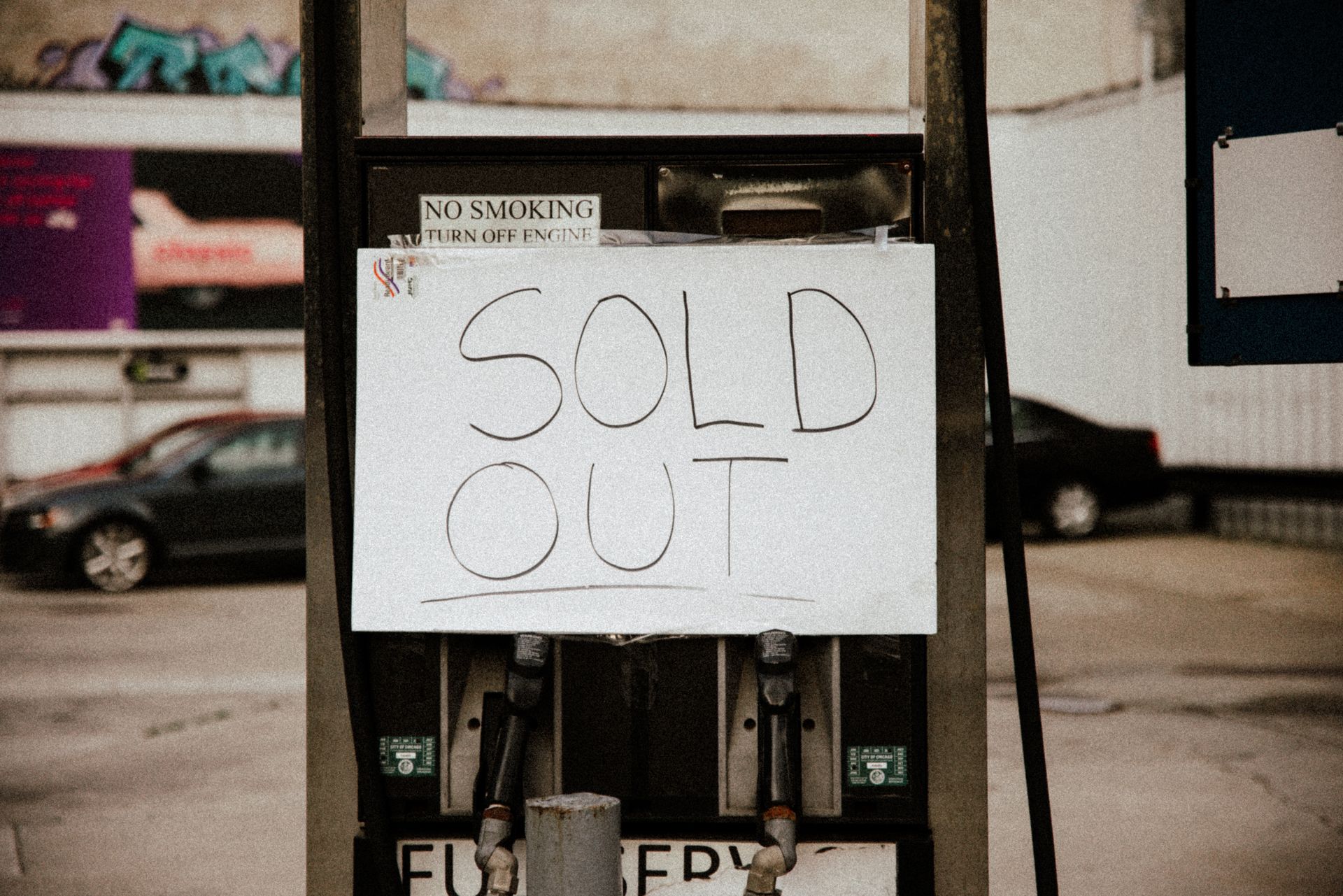
Supreme, the streetwear brand that famously sells everything from jeans to skateboards to jerseys by dropping new goods every Thursday at 11 am in extremely limited quantities, regularly sells out items in seconds “thanks” to artificially created scarcity, leading to what journalists have called drop culture. In one famous example, Supreme dropped a plain white brick with their logo stamped on it for $30, and it sold out almost immediately. People flipped them on eBay for nearly $1,000. That brick was functionally worth nothing. Blank canvas bricks are worth nothing. But in limited supply? Much easier to get sold.
How can you apply this in service of your business, instead of tricks like a brand-as-counterfeit-Supreme? Here’s how to do it without losing all trust from your audience.
Use actual scarcity, don’t fake it. People know when countdown clocks aren’t actually counting down, and one of these tricks is usually enough to let everyone watching know you’re willing to lie. Once trust is broken on scarcity, everything you say about being “limited” is suspect. All promotional attempts now send signals that undo Episode 25's work on building trust. If you’re truly limited by time, products, or spots, say that. If you’re not, don’t pretend you are.
Make the number decrease, instead of telling them about it. “Limited spots available” is far less effective than seeing the number of spots go from 20 to 12 to 3. If you’re selling a class that only has room for 20 students, a tight batch of products, or anything else with a quantity attached to it that’s slowly decreasing, change the number people see on the page as it goes down. Don’t just display the current number.
Don’t open everything at once. Supreme doesn’t just create scarcity with their quantity; they create scarcity with their regularity. Once a week, like clockwork, they drop new products for customers to buy. But that’s part of what gets customers to buy. They know new items will be there next week. Your scarcity doesn’t have to last forever, but you can build rhythms around it. Weekly newsletter drops (Episode 23’s lesson on email) or set times to apply for your workshop instead of rolling admissions aren’t just scarcity; they’re built anticipation.
Keep it tiny, at least at first. Once you have the ability to provide more spots, courses, or products, it can be tempting to open up the floodgates. But scarcity isn’t just how few there are now; it’s how few there’ll be moving forward. Part of why customers believe brands when they say they’re “limited” is because they once were actually limited. Reports on Supreme’s decline point to this exact issue: at the height of their demand, they were able to increase production without losing customers. But as they grew too large, and customers caught on that “limited” was a marketing line and not an actual constraint on supply, the magic wore off. Their scarcity had a number, but it wasn’t tiny.
Say it. Don’t hide the fact there’s limited quantity. Tell people! “Only 3 spots left this month” accomplishes two things: 1) it gets people who are on the fence to see that something is scarce, and 2) it works just like the cookie experiment worked. By SHOWING people the scarcity, it changes how much they desire it before you’ve even convinced them why they should want it in the first place.