In 1999, Nick Swinmurn came up with a founding idea most others laughed at: people would buy shoes online. Repeatedly rejected by investors, his reasoning was simple. Most could articulate why: people need to try shoes before they buy them. No one will purchase footwear without seeing it first, directly from a stranger on the internet. Tony Hsieh, later CEO of Zappos, saw that central barrier differently. The problem wasn’t that people didn’t want to buy shoes online. The problem was buying shoes online felt risky, and no one had yet eliminated that risk factor.
So Zappos did. Free shipping both ways, and “a year-round return policy,” meaning 365 days to return your purchase for no reason at all, by the end of its fourth year of operation, according to an early company profile from Business Insider. Hsieh explained it more succinctly: “Buying shoes online can initially be a scary process for people,” he said, “but Zappos has weathered when other dot-coms have failed because we provide the best customer experience.” The outcome was explosive. Yearly sales skyrocketed from $1.6 million in 2000, to $8.6 million after one year, to $32 million after two. By 2009, Amazon acquired the company for $1.2 billion dollars.
Let’s back up to this part. Driving someone all the way to your homepage (or Instagram or booth) has never been the difficult part. The hard part is everything that happens between interested and purchased, and nobody intentionally audits that journey.
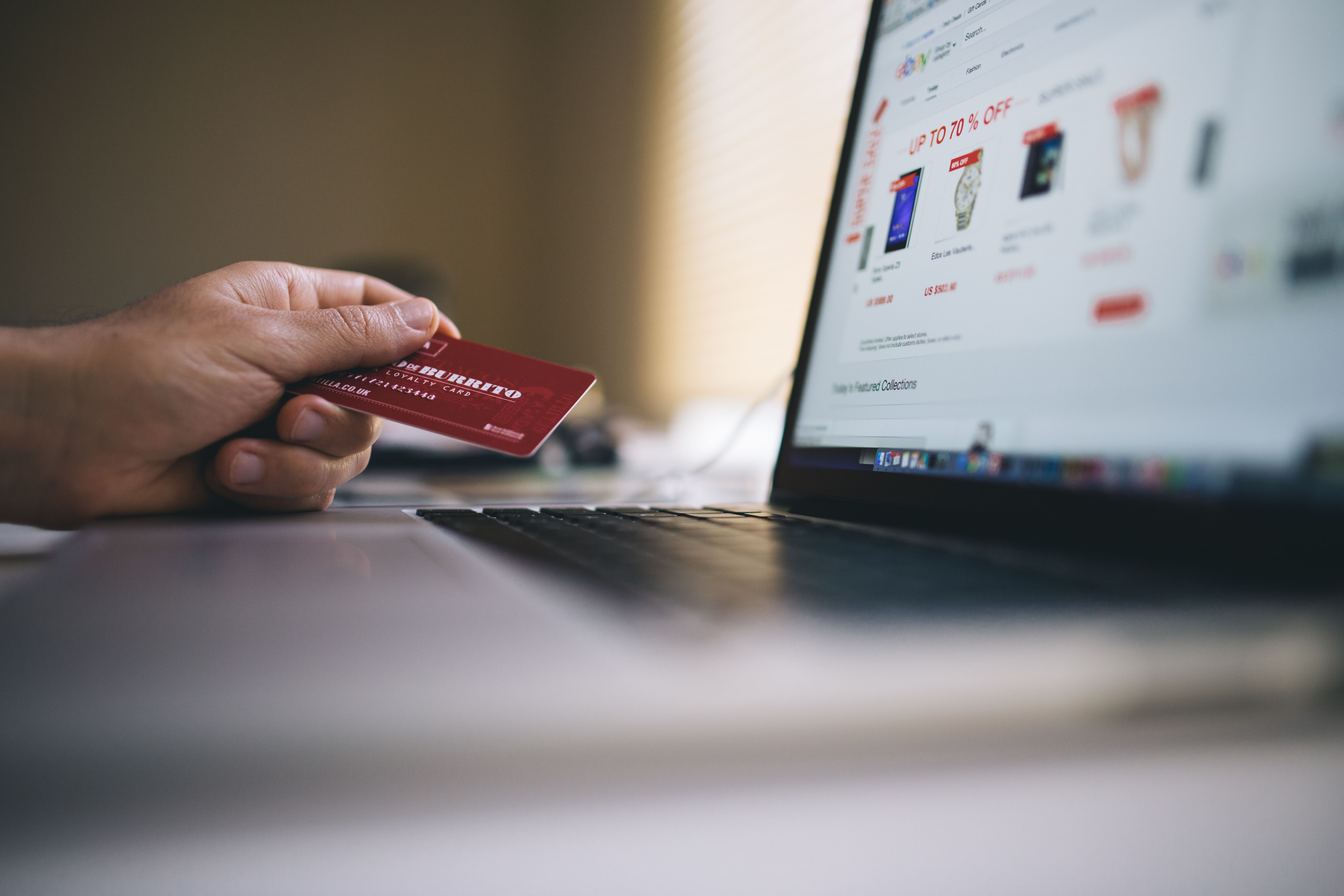
As of this year, the average e-commerce site converts between 2.5% and 3% of its visitors into customers, according to a suite of 2025 industry benchmarks compiled by analytics platform Contentsquare. Even stranger, once someone intentionally puts an item in a cart (paying indicates a far higher intent to buy), fully 70% of buyers will abandon their purchase before paying, according to the Baymard Institute’s compilation of more than a decade of cart abandonment studies. If traffic was the problem, none of these people would have come to your site in the first place. You already have people who want stuff. The friction stopping them is specific, and therefore findable.
In Zappos’ early days, it was fear of being stuck with shoes that didn’t fit. For smaller projects, it’ll look different. but the only way to know is to map their journey exactly, as a stranger would, step by step.
Stop guessing. Here’s how to watch:
First, write down every. Single. Step.
What does a potential user have to do from clicking on your website to becoming a customer?
Don’t summarize. Don’t skip steps. If it happens on your website, list it. Every link they click, every form they complete, every moment of decision. If you struggle to name six to ten steps, you’re not mapping the customer journey; you’re estimating it.
Second, watch a real person do it. Put somebody in a chair and observe them interacting with your business live. Do not explain anything to them, offer help, or give them opinions. Watch where they pause, where they mutter questions to themselves, and where they quit. Ask where they wanted to quit, and why they didn’t. That is your friction point.
Third, fix the worst one first. If half your friction points come from seeing the price for the first time, start there. Fixing your checkout process alone can increase conversions by upwards of 35%, according to Baymard. That’s right, most of your friction points can be improved by better design, not reimagination. The hardest step to improve is rarely the step holding you back.
Fourth, don’t just remove steps. One of the biggest mistakes new stores make is trying to improve conversion by leapfrogging steps. But humans hate surprises. Adding costs at the end of checkout is the number one reported reason for abandoning carts, not lack of information or slow shipping. Give people the full price up front, the realistic shipping estimate, and the actual requirements as early as possible. If it means your price looks worse at first, so be it.
Finally, re-engage the ones who tried. That person who landed on your page, filled out a form, started a cart, or signed up for something and never returned is nothing more than a warm lead who got cold. Episode 23 covered the exact tool you need to reach these people again: automated, direct access into their inbox. A well-timed email reminding someone who already started buying from you what they almost purchased has one of the highest conversion rates of any message you can send.
Zappos didn’t succeed because they got more eyeballs on shoes. They succeeded because they saw exactly where fear stopped the sale and eliminated it. That’s the job.