Last fall, 26-year-old founder Sidhant Bendre threw out his startup’s ChatGPT-powered business plan. Bendre had co-founded Oleve, a New York AI-first consumer software startup, but he wasn’t abandoning ChatGPT because it stopped working. He was switching to Claude because “it made fewer coding errors,” and wrote English “that didn’t sound like a bot wrote it,” he told Business Insider in an as-told-to essay. But he hedged his bets, telling Insider he might switch back if another tool came along that was clearly better.
The state of AI chatbots for founders right now can be summed up in that last sentence. There isn’t one “best” AI chatbot. There’s one best tool for every job.
Why “Just Use ChatGPT” is Already Outdated Advice
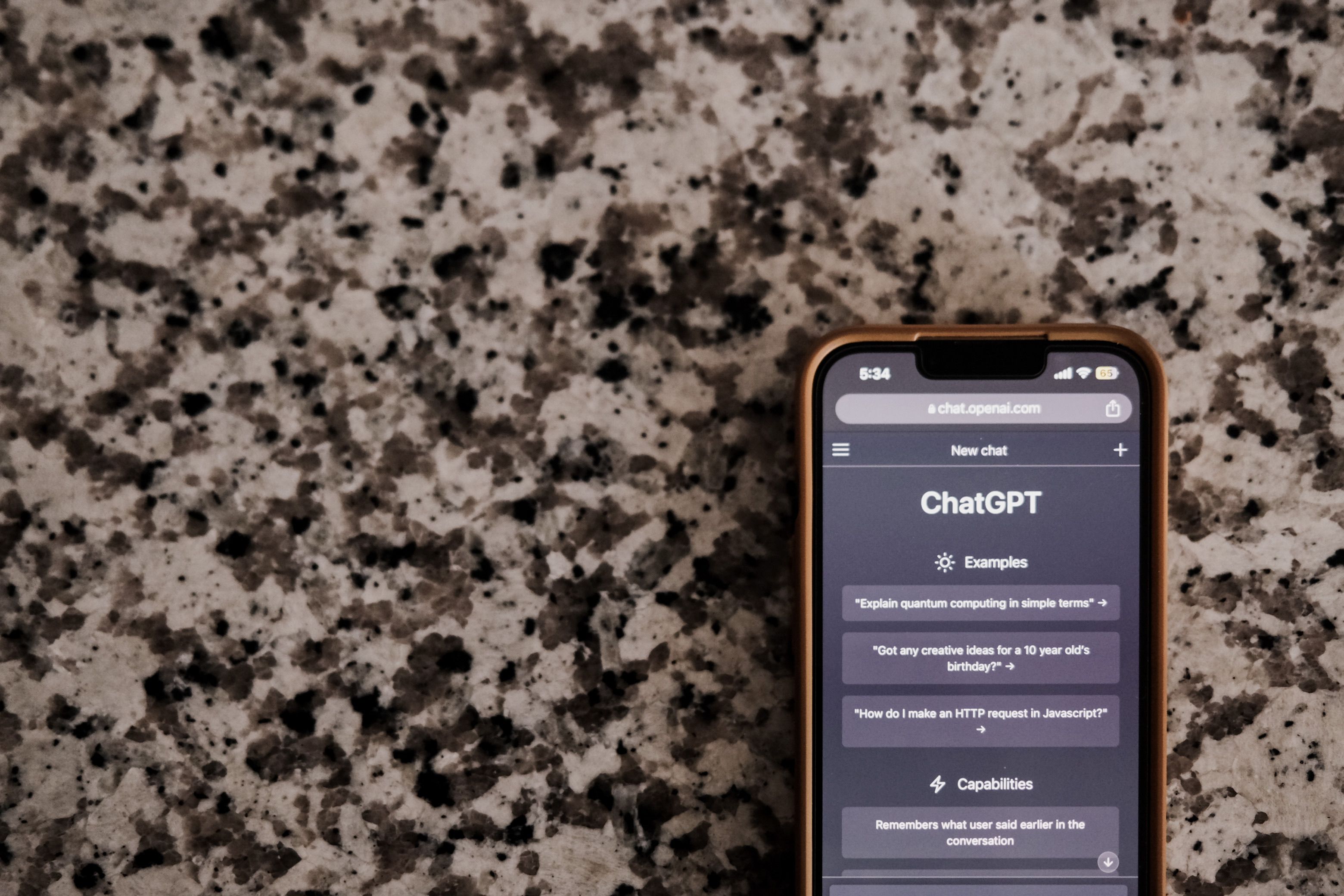
As a founder, you don’t have time to test twenty different tools. So you default to whatever chatbot you first tried, and stick with it. Right now, that’s what most founders mean by ChatGPT, which covers the most bases—it’s the reigning champion of writing, research, files, and voice all in one app, according to Efficient App’s 20//6 round-up of AI tools.
It’s not bad advice. But it’s incomplete. AI adoption by founders isn’t going to happen “if we build it.” It’s already here. Consulting firm Kruze found nearly 80% of early-stage SaaS startups are now pulling AI tools into their tech stacks to automate work. Another 20//4 survey by Techstars found 74% of entrepreneurs said they’re using AI as a core pillar of their company. Founders who pull ahead aren’t going to be the ones who use AI the most. They’ll be the ones who daisy-chain together the right chatbot for the right task instead of trying to force one tool to do everything.
1. Claude: Writing, strategy, and investor-facing documents
Open Claude whenever the output will be read by real humans who matter: writing that will go into an investor update, a contract or term sheet review, a pitch story memo. The founders who’ve built directly comparable AI tools keep arriving at the same conclusion: Claude is better at language. One employee at Ezra Group prepared for a panel by typing the same prompt into ChatGPT and Claude. They got a bulleted list back from ChatGPT, and something that was “magically edited and in the format we would need to send to investors” from Claude, per Ezra’s own recounting of the experience. Broadly, founder use cases with side-by-side tests show Claude’s answers sound more natural and require fewer edits before they’re ready to present to customers or investors.
2. ChatGPT: The all-purpose default app
The reason ChatGPT hangs onto this spot? Scope. When all else is equal and a founder only needs to maintain one subscription, ChatGPT earns the win as the jack-of-all-trades master of writing, summarizing articles, brainstorming, image generation, file dumps, and voice assistants all mashed into one workspace. If you’re the founder who hasn’t settled on which exact bottleneck to solve, it’s still the place to brainstorm everything aloud.
3. Perplexity: For research and competitive scans
Ask it a question where the answer is “what’s actually true,” not “what sounds smart enough.” Perplexity’s biggest strength is just showing answers you can cite. Where other chatbots serve up paragraph-length walls of text, Perplexity answers with bulleted lists and inline references.. Entrepreneurs who need to scan a market, double-check a competitor’s prices, or verify a claim before it becomes part of a pitch deck use it because it builds everything around sourced answers rather than single generated answers. It’s popped up repeatedly as the research layer of founders’ AI stacks, and ranked alongside NotebookLM specifically for research use-cases in founder tool rankings like 20//6’s from Storyflow.
4. Gemini: For founders living inside Google Workspace
If you’re running Gmail, Docs, and Sheets for your entire operation — hire, communication, product notes, you name it — Gemini’s strength isn’t how big its model is. It’s that it’s already built into the documents. Founders who keep pricing tables, sourcing notes, and competitor teardowns in spreadsheets won’t want to switch between windows to copy/paste from Gemini. They’ll open it specifically because it can read their data and write directly back to Sheets.
5. Claude Code: For the founder who is also building the product
This is the chatbot non-technical founders will skip, and technical founders who are coding their own product will obsess over. It’s not another item for your chatbot rotation. It’s a coding-first assistant that works alongside your build process. Founder-led startup Supabase ran a 20//6 survey of over 2000 startup founders and found Claude Code had overtaken everyone’s favorite code editor, VS Code. 31% of founders used Claude Code as their “must have” developer tool, versus 22% who said VS Code. Cursor.AI came in a distant third at 15%. What’s more: 62% of startups said AI tools now write more than half of their codebase. 41% said it wrote 76–100% of code. A chatbot beating out the most popular code editor would have sounded crazy five years ago. Last year. Two years ago. Today it’s just the new normal.
How to decide the best one for you
Stop asking “what’s the best AI chatbot?” Ask yourself: “What specific problem am I trying to solve this week?” Writing? Research? Spreadsheets? Code? Then pick the tool that actually works with that file type. Every founder who runs a tiny, bespoke AI stack picked by function, not fame. It was Storyflow’s number one finding in our own 20//6 founder interviews, and Forbes ran the same conclusion with the entrepreneurs they interviewed.
Bendre wasn’t wrong to pick Claude over ChatGPT last year. But he was smart to leave the door open for swapping again if something better came along. That’s the best advice any founder can take. The worst? Becoming loyal to whichever chatbot you happened to open first.